“Why do I cry so easily?”
“Why does noise wear me out?”
“Why do I seem to absorb everyone else’s emotions?”
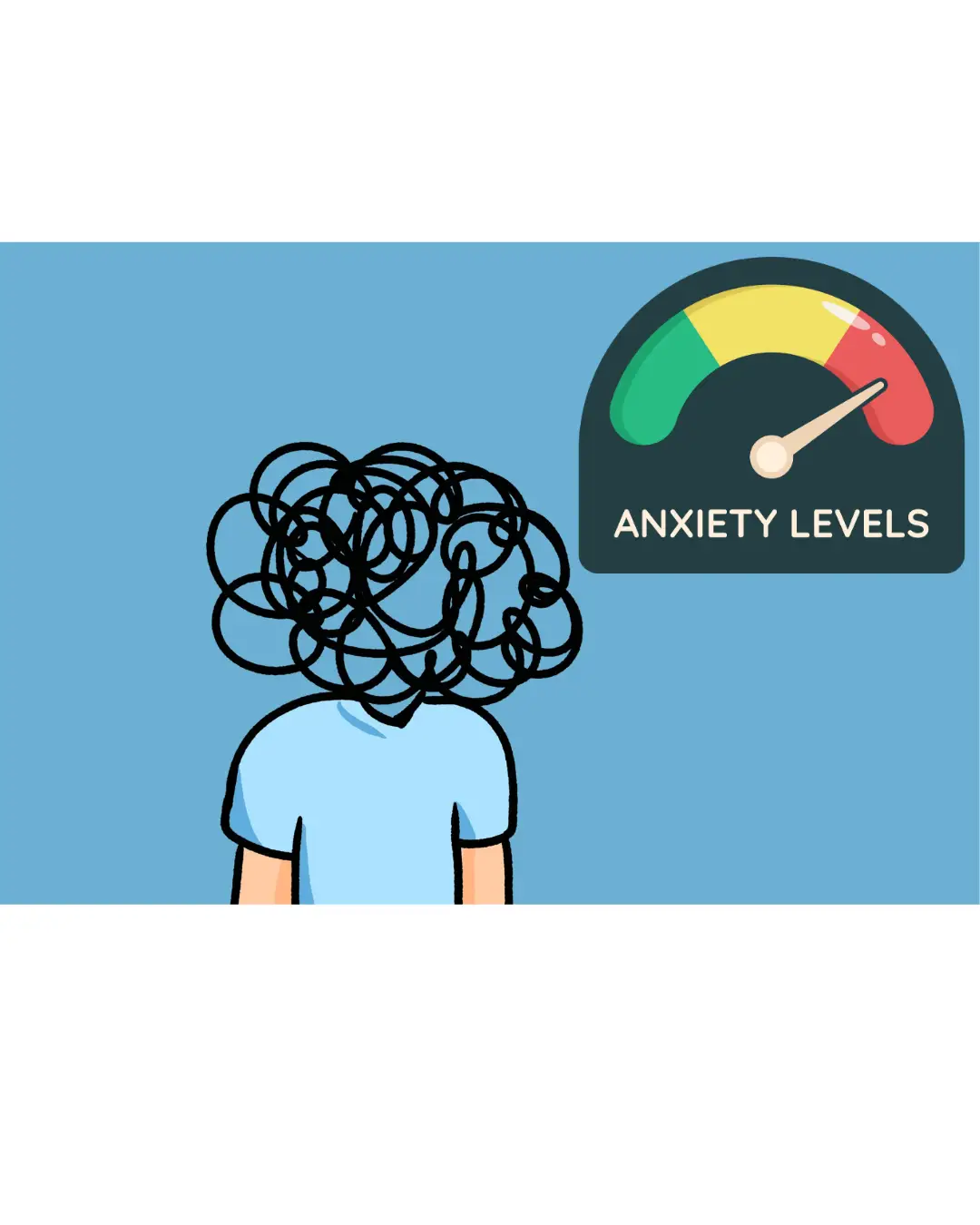
If you’ve ever asked yourself these questions, you’re not alone. Many people spend years believing they’re “too sensitive” when, in reality, they simply have a nervous system that processes the world more deeply.
Highly Sensitive People (HSPs) notice subtle details, experience emotions intensely, and often become overwhelmed more quickly than others. While being highly sensitive isn’t a diagnosis, many of its traits overlap with ADHD—including emotional intensity, sensory sensitivities, and difficulty filtering out stimulation.
The good news? Sensitivity isn’t a flaw—it’s a strength that simply needs the right kind of care.
A Few Ways to Support Your Nervous System
Build recovery time into your day. Rest isn’t laziness—it’s maintenance.
Reduce sensory overload when possible (think headphones, quiet spaces, or taking breaks).
Set emotional boundaries by reminding yourself: I can care without carrying.
Pause before reacting. Even one slow breath can shift you from reacting to responding.
Many highly sensitive people are compassionate, creative, intuitive, and deeply empathetic. Those qualities are gifts—not weaknesses. The goal isn’t to become less sensitive. It’s to learn how to honor the nervous system you have instead of fighting against it.
Sticky Note Mantra
“My sensitivity is information, not weakness.”
Or if you prefer a little more spice:
“I can care like hell without carrying everyone else’s shit!”
Sometimes the most powerful shift isn’t changing who you are—it’s finally giving yourself permission to stop apologizing for it.