Strong emotions can feel overwhelming, like a tidal wave that crashes in without warning. Anxiety spikes before a difficult conversation. Anger surges after feeling misunderstood. Shame creeps in after a mistake. The instinct is often to push the feeling away, numb it, or react quickly to make it stop.
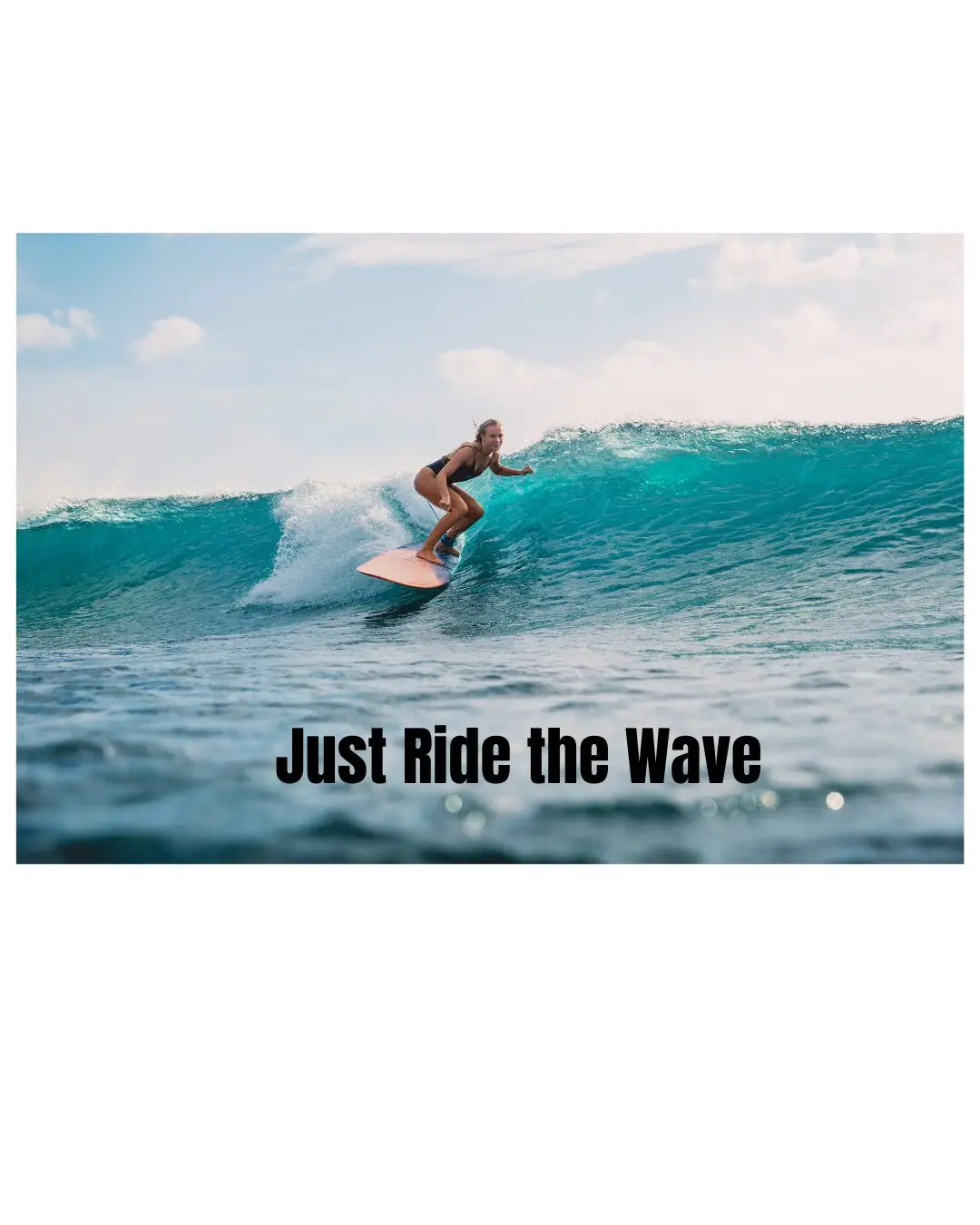
But what if emotions are not enemies to defeat, only waves to ride?
This is the heart of urge surfing, a skill rooted in both Cognitive Behavioral Therapy (CBT) and Acceptance and Commitment Therapy (ACT). Instead of resisting emotional waves, we learn to observe them, ride them, and let them pass.
Understanding the Wave
Neuroscience tells us that emotions are time-limited physiological events. When we don’t fuel them with catastrophic thinking or reactive behaviors, they naturally rise, crest, and fall often within 60–90 seconds for the initial surge.
Yet what keeps emotions alive is:
- Rumination
- Catastrophic predictions
- Self-criticism
- Avoidance behaviors
- Nervous System Dysregulation
The wave isn’t the problem. Fighting the wave is what exhausts us.
CBT: Thoughts Shape the Intensity
From a CBT lens, emotions are influenced by our interpretations of events — not just the events themselves.
Event → Thought → Emotion → Behavior
If I think, “I can’t handle this.” → My anxiety increases.
If I think, “This is uncomfortable but temporary.” → My nervous system softens.
CBT can help us:
- Identify cognitive distortions – AKA Thinking errors (mind reading, all-or-nothing thinking, catastrophizing)
- Reframe thoughts more realistically – “I hate people” → Reframe → People Will People
- Test predictions against evidence (Is that thought true?)
This doesn’t eliminate emotions, but it often reduces their intensity, prevents escalation, and helps manage our energy more efficiently/effectively →
Worry is Wasted Energy
ACT: Make Room for the Wave
While CBT focuses on reshaping thoughts, ACT emphasizes changing our relationship to them.
Instead of arguing with thoughts, ACT teaches:
- Cognitive defusion (seeing thoughts as mental events, not facts)
- Acceptance (allowing discomfort without avoidance)
- Values-based action (choosing behavior aligned with who you want to be)
In ACT, the question becomes: “Can I make space for this feeling and still move toward what matters?” and lucky for us Urge surfing fits beautifully here.
What Is Urge Surfing?
Originally developed in addiction treatment, urge surfing is the practice of observing an urge (to yell, text, avoid, overthink, numb, etc.) without acting on it.
You imagine the urge as an ocean wave:
- Notice it rising (Awareness) – Where do you feel it in your body? Tight chest? Heat in your face?
- Name It To Tame It– “This is anxiety.” “This is anger.”
- Breathe through it – Slow exhale longer than inhale. Slow the Breath to Slow The Mind
- Watch it crest – The intensity peaks.
- Stay steady – No impulsive action.
- Observe it falling – It loses power.
Every time you surf instead of react, you strengthen emotional regulation pathways in the brain.
You are building tolerance. Capacity. Psychological flexibility.
The Nervous System Component
Strong emotions activate the sympathetic nervous system (fight, flight, freeze, fawn, flop). When we:
- Slow the breath
- Relax the jaw
- Drop the shoulders
- Lengthen the exhale
- Activate the Vagus Nerve
We signal safety to the body.
Regulation is not suppression.
It is riding the wave without being pulled under.
Why This Matters
Avoidance shrinks your life.
When we avoid difficult feelings, we often avoid:
- Hard conversations
- Growth opportunities
- Vulnerability
- Authentic connection
ACT reminds us that a meaningful life includes discomfort.
You can feel anxious and still speak.
You can feel sad and still show up.
You can feel anger and still choose calm behavior.
Emotions are weather.
You are the sky.
Practical Urge Surfing Script
Next time a wave hits, try this:
“I’m noticing a surge of anxiety. It feels tight in my chest and my throat. My mind is telling me I can’t handle this. That’s a thought, not a fact. I’m breathing in for four, out for six. The wave is rising. I don’t have to act on this. I can let it peak. I can let it pass.”
Then ask: “What action aligns with my values right now?”
Common Myths
Myth: If I don’t react, I’m suppressing.
Truth: Suppression pushes down. Surfing allows.
Myth: The feeling will last forever.
Truth: No emotion sustains peak intensity indefinitely.
Myth: I must eliminate anxiety before acting.
Truth: Action often reduces anxiety.
Mantras for Riding the Wave
- This is uncomfortable, not dangerous.
- Feelings are temporary.
- I can allow this and still choose my behavior.
- I am bigger than this emotion.
- Let it rise. Let it peak. Let it pass.
- I don’t have to believe every thought I think.
- This wave will not drown me.
Mantras with a little pizazz (AKA a little somethin-somethin)
- I am not the drama. I am the calm main character with boundaries.
- Oh look, anxiety is back. Cute. It still doesn’t run the show.
- This emotion is loud… but I’m louder (internally, with dignity).
- Not today, overthinking. We are surfing, not spiraling.
- My nervous system can simmer…..we are not burning the house down.
- Feelings can ride in the car, but they are not touching the steering wheel.
- I don’t negotiate with irrational thoughts. They can file a complaint.
- Big feelings, tiny reaction. Watch me work.
Final Reflection
Emotional strength is not the absence of strong feelings. It is the willingness to experience them without losing yourself.
Riding the wave takes practice. Some days you’ll wobble. Some days you’ll wipe out. But every time you pause instead of react, you are rewiring your brain toward resilience.
And over time, what once felt like a tsunami becomes something you know how to surf.