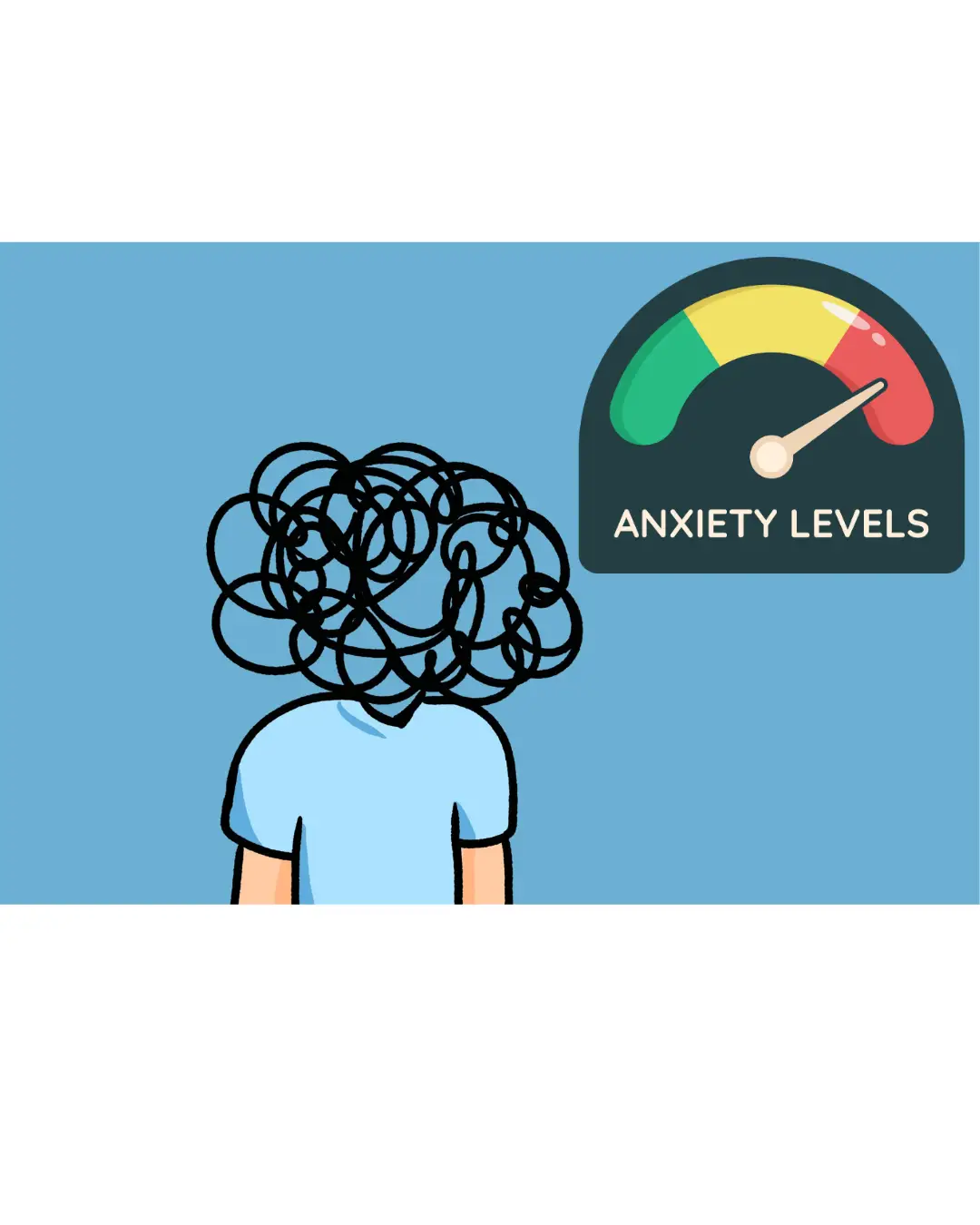
Awareness Is Where the Magic Happens
Your brain just told you a story.
Before you believe it, take a breath.
Seriously. Just one.
Because one of the most powerful skills you can develop isn’t learning how to stop having difficult thoughts and feelings. It’s learning how to notice them.
That’s where the magic happens.
Your Brain Is a Little Too Confident Sometimes
Your brain is an incredible prediction machine. It’s constantly scanning for patterns and trying to keep you safe.
The problem?
Your brain is more interested in protecting you than being 100% accurate.
Someone takes longer to text back:
“They’re mad at me.”
Your boss looks serious:
“I’m in trouble.”
You make a mistake:
“I’m a complete failure.”
Your brain makes a prediction—and suddenly your body reacts as though the prediction were a proven fact.
But here’s the plot twist:
A thought isn’t a fact just because your brain said it confidently.
Feelings Are Real. They Aren’t Always Facts.
Your feelings are real. They matter. They deserve compassion.
But feelings aren’t evidence.
You can feel like everyone is judging you without actually knowing what everyone is thinking.
You can feel rejected without knowing that someone is rejecting you.
You can feel like you’re failing without actually being a failure.
Feelings give us information. Facts deserve investigation.
Think of emotions as passengers in the car. They can talk, complain, and even yell from the back seat—but they don’t necessarily get to drive.
Awareness Creates Choice
The moment you notice what’s happening in your mind, you create space between the thought and your reaction.
Instead of:
Thought → Panic → Reaction
Try:
Thought → Pause → Notice → Choose
Ask yourself:
What am I feeling?
What thought just popped into my head?
Am I confusing a feeling with a fact?
What do I actually know?
What am I assuming?
Is my brain protecting me—or giving me accurate information?
You don’t have to solve the thought.
You don’t have to argue with it.
You just have to notice it.
Choose Curiosity Over Catastrophe
When we’re struggling, our brains often jump to:
“What’s wrong with me?”
Try:
“Hmm… I wonder why my brain went there.”
Curiosity creates space. Judgment creates shame.
And shame rarely makes us wiser.
Try the 30-Second Reset
PAUSE. Take one slow breath.
NAME IT.
“I feel anxious.”
“I feel rejected.”
“I feel embarrassed.”
CHECK THE FACTS.
What do I actually know? What am I assuming?
ADD COMPASSION.
“This feeling is hard.”
“My brain is trying to protect me.”
“I don’t have all the information yet.”
Then remind yourself:
I don’t have to believe everything I think.
Thoughts are suggestions—not instructions.
Put This on a Sticky Note
You don’t need a 47-step morning routine to practice awareness.
You need a pause.
📌 Is this a feeling… or a fact?
📌 Curiosity over catastrophe.
📌 Pause before the plot twist.
📌 My thoughts make suggestions, not decisions.
📌 Notice it. Name it. Don’t become it.
The goal isn’t to ignore your emotions or force yourself to “think positive.”
Feel your feelings. Notice your thoughts. Check the facts. Then choose what comes next.
Because awareness isn’t just the first step in changing your relationship with your thoughts.
Awareness is where the magic happens.